
Blog/Article
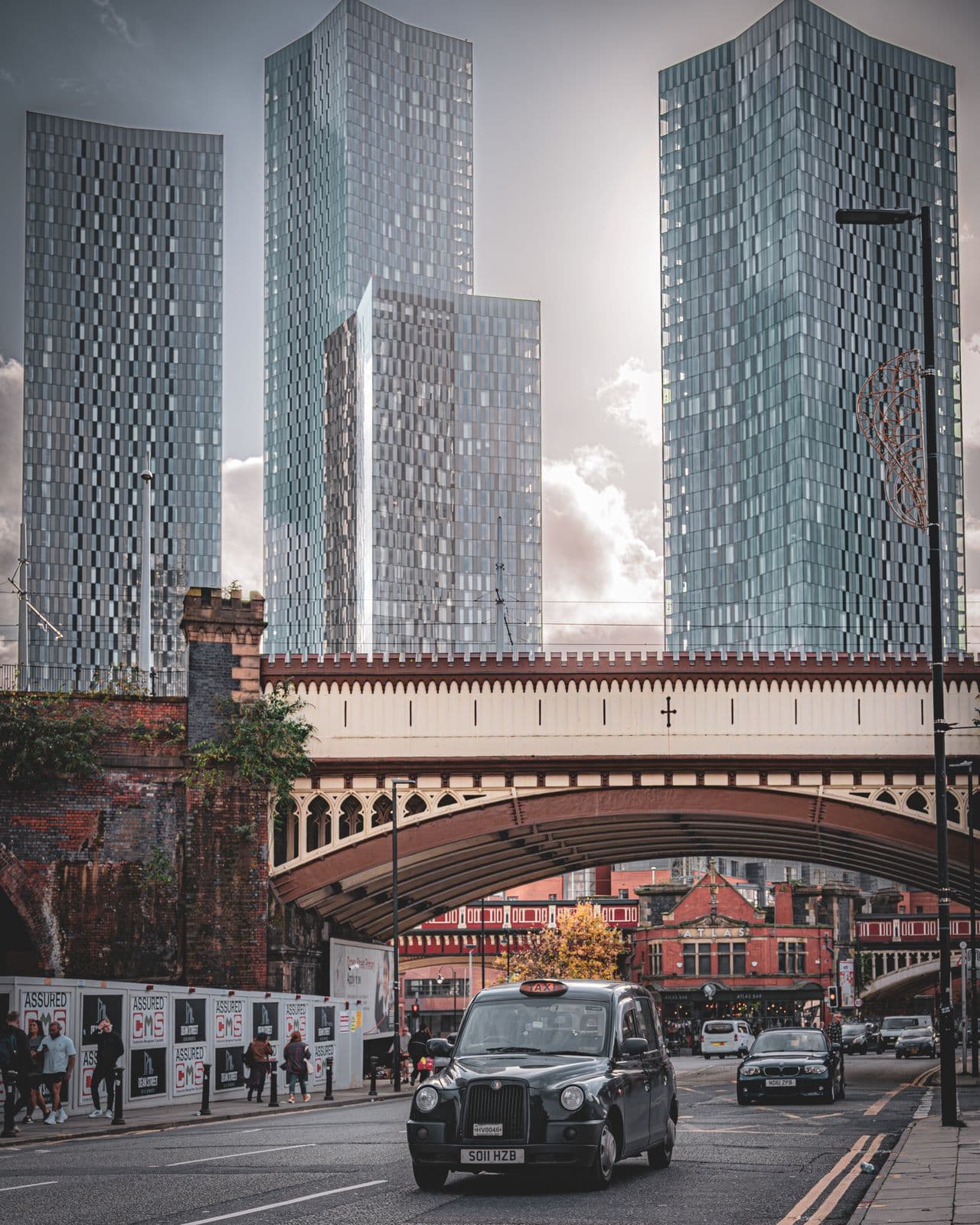
Most people have sat through team building that did not work. The trust fall nobody wanted to do, the escape room that turned into three people solving it while everyone else watched, the away day that promised connection and delivered an afternoon of forced fun. None of that is a reason to give up on team building, it is a reason to plan it properly. Manchester has genuinely excellent options for it in 2026, from creative studios to outdoor activity providers, and this guide covers what actually makes a session work.
The sessions that land share a few things in common: everyone can participate regardless of fitness, confidence or seniority, the activity has a genuine outcome rather than an arbitrary task, and there is enough structure to guide the day without every minute being scripted. Team building that works also tends to give people something to talk about afterward that is not the activity itself, a shared story, an inside joke, a moment where someone surprised the rest of the group.
Equally important is what to avoid. Anything that singles people out, relies heavily on physical confidence, or forces a level of vulnerability people have not opted into tends to backfire, creating awkwardness rather than connection. The best sessions give people permission to opt into how much they put in, rather than demanding the same performance from everyone in the room.
Facilitation quality matters more than most planners expect going in. A good facilitator reads the room, adjusts pace, and knows when to let a moment breathe rather than rushing to the next activity on the sheet. A poor one sticks rigidly to a script regardless of how the group is responding, which is often the real reason a session falls flat rather than the activity itself being the wrong choice.
Manchester's strength is its range. Creative formats, such as cooking classes, art workshops or collaborative design challenges, work well for teams that want to build something together and take genuine pride in the result. Problem solving formats, from escape rooms to city based challenges, suit teams who enjoy a bit of competition and thrive on working through a puzzle collectively.
For teams who spend most of their week behind a screen, a more active format such as a group cookery challenge, a guided walking tour with a task built in, or time at one of the city's activity venues tends to land better than another session in a meeting room, however good the facilitator. Match the format to how the team actually spends its working week, and to what would feel like a genuine break from it.
There is no single right answer, but a mix generally outperforms either extreme. A fully indoor day can feel like just another meeting with better snacks, while a fully outdoor day depends heavily on weather and can exclude anyone with mobility concerns or a strong preference to stay dry. A session that moves between the two, an indoor briefing followed by an outdoor activity, or a creative task with an outdoor element built in, tends to keep energy higher across the day.
Manchester's mix of city centre venues and nearby green space makes this easier to build than in many cities. A venue close to a park or waterside setting gives you the option to step outside without adding travel time, while still having a reliable indoor space to fall back on if the weather does not cooperate.
If the session does run partly outdoors, build a simple wet weather version of the plan rather than hoping for the best. Manchester's weather is changeable enough across the year that a backup is not overcautious planning, it is standard practice, and a venue used to hosting team building will usually already have a version of this plan ready to offer.
The honest answer is that most teams do not measure it at all, and that is a missed opportunity. A short, genuinely anonymous feedback prompt sent a day or two after the session, asking what people enjoyed and what they would change, tells you far more than guessing based on how the day felt in the room. Watch too for what people mention unprompted in the weeks after, a joke that keeps coming up, a task from the day being referenced in a totally different meeting, since that is often the clearest sign something actually landed.
Over time, tracking which formats consistently get positive feedback lets you build a shortlist of Manchester venues and activity partners worth returning to, rather than starting the search from scratch every time a session is due.
What's a good team building budget per head?
For a half day session in Manchester, budget 40 to 70 pounds per head including venue, activity and light catering. A full day with a more involved activity, such as a cookery class or an external facilitator, typically runs 70 to 120 pounds per head. Costs rise from there for bespoke or premium formats, but a genuinely well run session does not need to be at the top of that range to work.
How long should a team building session run?
Half a day, roughly three to four hours, is enough for most single activity sessions and keeps energy high throughout without tipping into fatigue. A full day works well when you are combining an activity with a broader agenda, such as strategy discussion or celebration, but a full day of team building alone with no other purpose can start to feel like a lot, even when the activity itself is good.
The right activity, at the right length, for the right team, is what makes team building stick. Browse Manchester Members on the Hotal Marketplace built for exactly this brief, and find a session your team is still talking about long after the day itself.

READY TO BEGIN?
Whether you're a corporate event planner or a venue looking to grow, Hotal has the
tools, network and expertise to help.

A complete away day planning checklist for Edinburgh teams in 2026, covering timeline, budget, and the logistics most planners forget.
Planning a corporate event in Edinburgh during August? What Festival season actually does to venue prices, availability, and logistics.

What a corporate event really costs in Edinburgh in 2026, including how Festival season shifts pricing and availability across the city.
What actually makes team building work, and how to plan a Leeds session your team will still be talking about a month later.

Away day, offsite or retreat? A clear guide to the difference between them, how long each should run, and how to pick the right one for Leeds teams.

A complete away day planning checklist for Cardiff teams in 2026, covering timeline, budget, and the logistics most planners forget.

A complete away day planning checklist for Cardiff teams in 2026, covering timeline, budget, and the logistics most planners forget.

Planning your first corporate event in Cardiff? A practical, no-jargon guide to setting a budget, building a timeline, and briefing a venue.
A practical sustainable event planning checklist for Glasgow teams in 2026: what actually counts as sustainable, and what to ask your venue.

Away day, offsite or retreat? A clear guide to the difference between them, how long each should run, and how to pick the right one in Glasgow.